






















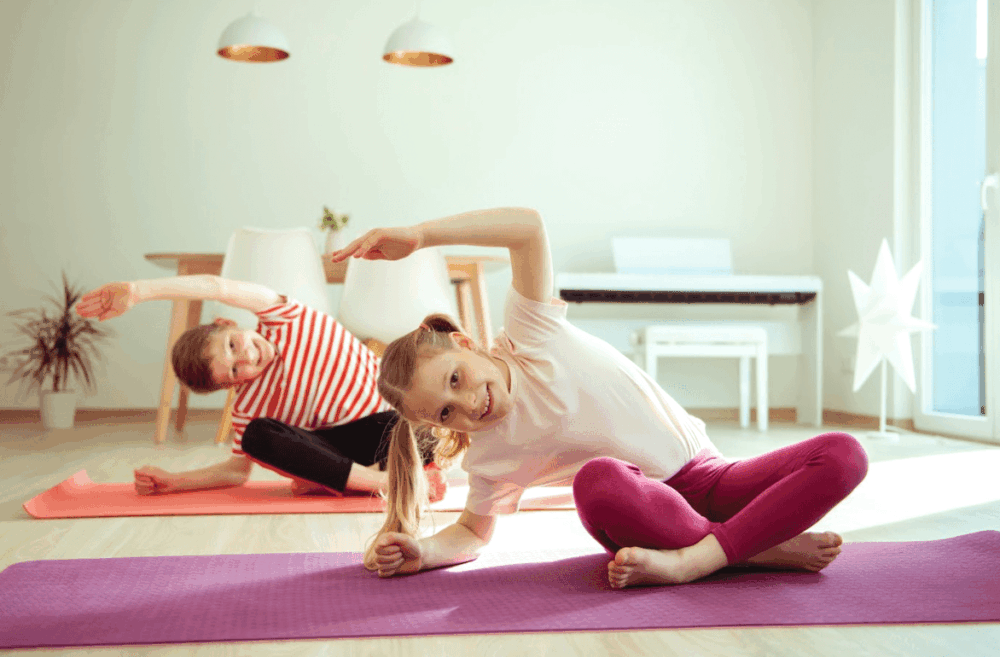
Lisa Harwood explores how yoga can provide tools to help emotional self-regulation in children and young people with special educational needs.
You’re upset, anxious, tearful and frustrated. You’re angry because you couldn’t express how you feel, and nobody is listening to you. The words just don’t come out. Does this sound familiar? I remember feelings of overwhelm, even as an adult. The ability to express emotions is important, as is the skillset for managing your emotional response to different situations.
Emotional regulation is the ability to control how and when we feel and express our emotions. It involves influencing which emotions we experience, the intensity, and how we outwardly express them. The self-regulation of emotions is a skill essential for healthy relationships, social interactions, communication, emotional and physical wellbeing and academic results. The temporal lobe of the brain continues to develop until the age of twenty-five. This is the part of the brain which controls emotions. For children and young people with learning disabilities who may experience a delay in the development of this part of the brain, it can be even more difficult for them to verbalise and control their emotions effectively. Research has shown that young people with learning disabilities who are unable to regulate their emotions may experience disengagement in learning, lower academic achievements and poor social connections. They may express their frustration in their physical behaviours.
We can help to regulate our emotions by changing the way we think about situations and our response to them, by recognizing and tackling the causes of the emotional upset or overwhelm and talking and sharing our feelings with loved ones or professionals. Embracing the joy of the present moment can help us to manage our feelings, and engaging in fun activities can help distract us from those troubling thoughts or feelings.
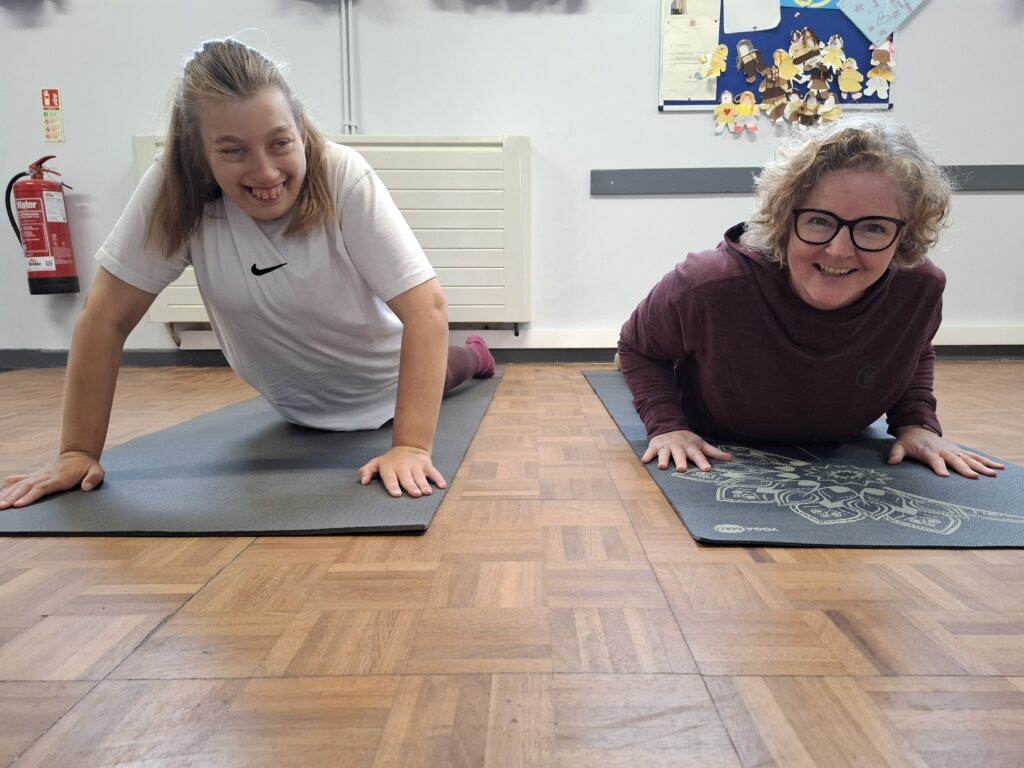
When we experience overwhelm, stress or anxiety, our bodies are in the fight or flight response and our (not so very) sympathetic nervous system is in charge. Yoga provides a mind-and-body approach for regulating our emotions by increasing our awareness of how we feel, balancing the nervous system and promoting relaxation. This engages our parasympathetic nervous system – our rest-and-digest response which helps to release tension in the body, lower our heart rate and cortisol levels.
Yoga is widely integrated into the curriculum of schools to address an increasing need for self-regulatory skills. In studies comparing physical education and yoga, research in schools has shown that yoga improved anger management and impulse control, decreased anxiety and depression and significantly improved self-esteem. Yoga helps develop self-awareness of the physical body, sensations, thoughts and emotions. Yoga techniques including mindful breathing, physical postures and meditation.

In mindful breathing, pay attention to our breath and how we control it. This is one of the most effective ways to help lower stress and anxiety or signs of overwhelm. When we are anxious or distressed our breathing becomes shallow and faster. Yet when we focus on taking slower deeper breaths, we can bring a sense of calm. Focusing on the breath distracts from the cause of the overwhelm by redirecting the attention to the body and the present.
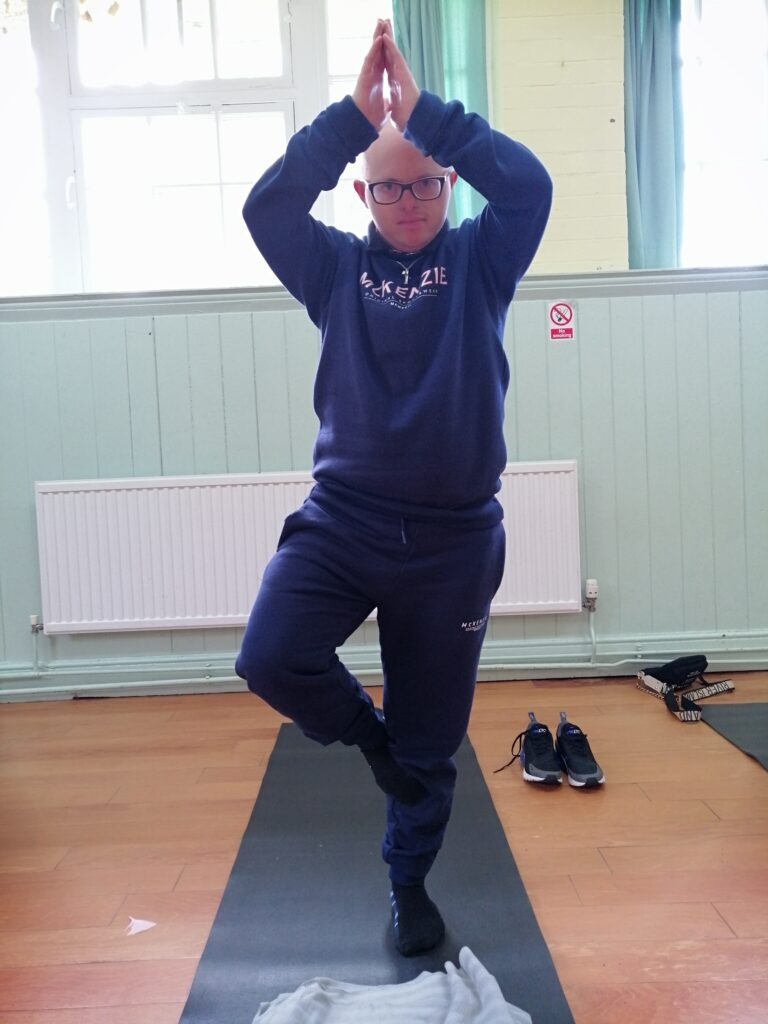
The physical postures of yoga bring fun to movement. Focusing on the now, and how our body feels as we move into the different positions. The poses which encourage grounding and promote stability help to focus the individual on being present. They encourage concentration on holding the position and focusing on our body sensations. Poses such as Easy and Tree are favourites in my classes
Yoga provides an opportunity for all participants to relax at the end of the class. You can practise Meditation whenever you need to manage the start of overwhelm, or emotions. This could include listening to calming music or a story, thinking of a happy place or even singing a favourite song. These can all help to bring focus, calm the mind and promote connection. Tools including fidget tools or weighted blankets that people regularly use to support their self-regulation can be used alongside yoga. It puts the individual in control using tools that they have identified as beneficial for their self-regulation.